
Natural Stone Guides,
Ideas & Expert Tips
Everything you need to choose, specify, install and maintain marble, granite, mosaics, pebbles and wall panels—all in one place.
Browse stone categories
Pick the category closest to your project—floors, walls, wet areas, outdoor, or decor—then open the category page to compare textures, finishes and sizes side by side.
What each category is best for
Natural stone is a family of materials, each with different performance characteristics. Here is a project-first overview to narrow your search quickly:
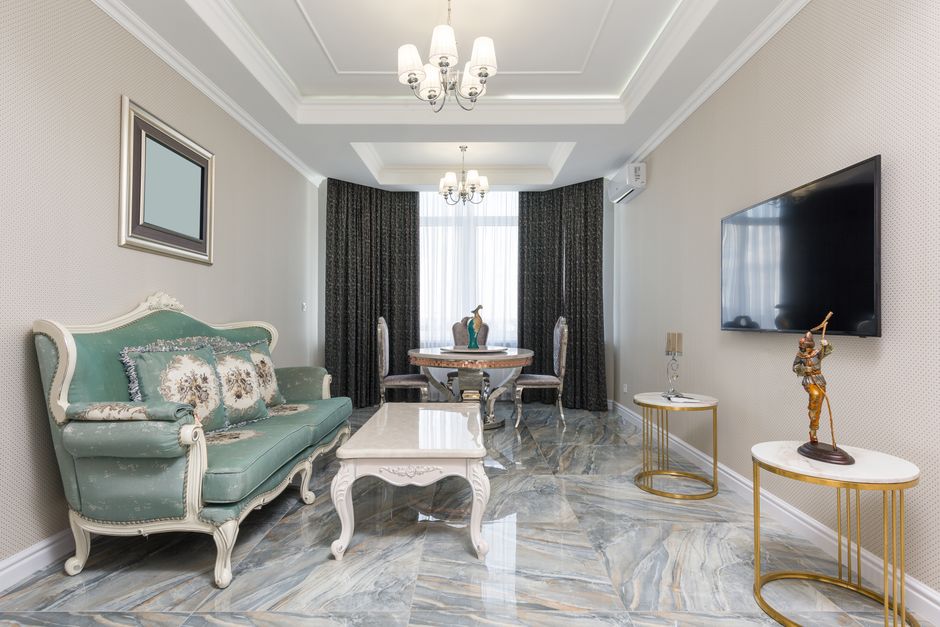
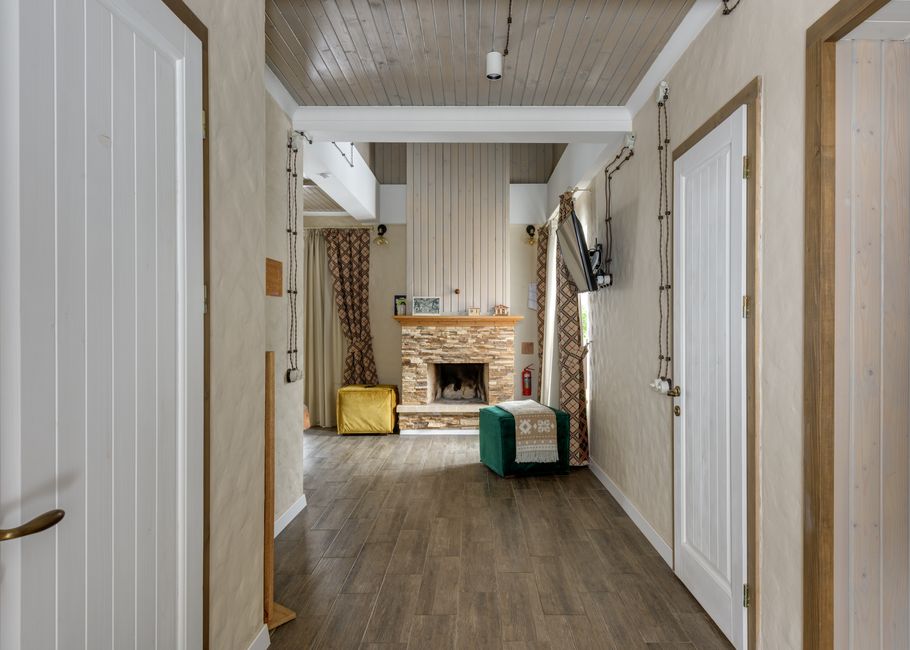

- :
- Marble — premium floors, feature walls, staircases, hotel lobbies and classic interiors where elegance is non-negotiable.
- Granite — tough kitchen counters, outdoor applications, high-traffic flooring and surfaces that need long-term impact and heat resistance.
- Mosaics — bathroom walls, niches, backsplashes and accent details; ideal for patterns, curves and small-radius areas.
- Pebbles / river stone — spa-style wet zones, shower floors and outdoor landscaping where natural texture and drainage matter.
- Wall panels — fast transformation of feature walls, TV backdrops, entry statements and commercial elevations.
- Wash basins & decor — finishing touches that elevate the entire space with authentic stone craftsmanship.
Featured products to explore
Anchor your research to real SKUs—actual sizes, finishes and pricing. These highlighted products are a quick starting point; open any product page for full details and current availability.
Explore the shop to view our latest products and collections.
How to choose the right stone
The biggest mistakes happen when people choose stone from a single photo. A better workflow is: application → performance → finish → format → installation. That sequence reduces breakage, staining problems and mismatched expectations.
Define the application clearly
Are you selecting stone for floors, walls, countertops, stairs, facades, bathrooms, outdoor walkways, or a feature wall? Each application demands a different balance of strength, porosity, slip resistance, UV stability and maintenance requirements.
Pick performance first, then aesthetics
Marble is the premium choice for luxury interiors. Granite is the workhorse for heavy use. Mosaics and pebbles excel in wet areas due to grout lines that improve grip and drainage when installed correctly. Match the stone to the conditions before falling in love with the look.
Choose a finish that suits your lifestyle
- Polished — high gloss, premium look; best for walls and lower-traffic floors.
- Honed / matte — softer reflections, more forgiving for daily use; popular in contemporary interiors.
- Textured / sandblasted — increased grip for wet zones and outdoor applications; creates a strong design statement.
Validate sizes, thickness and edge details
Large-format tiles reduce grout lines for a cleaner look. Mosaics deliver pattern flexibility and work on curved surfaces. Wall panels offer a bold texture with faster installation than full stone cladding. Always verify thickness and weight for structural suitability.
Installation notes & on-site checklist
Even the best material can fail with poor installation. These notes are written in plain language so designers, contractors and clients are aligned from day one.
Pre-install checklist
- Confirm the substrate is level, dry and structurally sound.
- Do a dry layout for shade variation and vein direction—especially important with marble and patterned stone.
- Match the adhesive and grout to the application (indoor, wet area, outdoor) and the specific stone type.
- Plan movement joints for large areas to absorb thermal expansion and reduce cracking risk.
- Order a 5–10% buffer quantity to cover cuts, waste and future repairs.
- Confirm lighting placement before grouting—it affects how colour variation and surface texture read.
Bathrooms, showers and wet areas
For mosaics and pebbles in wet areas, waterproofing and correct floor slope are non-negotiable. Use a proven waterproofing membrane, ensure correct slope toward drains, and select grout and sealers rated for the specific material. When done properly, stone bathrooms are exceptionally durable and can look five-star for decades.
Outdoor areas
Outdoor stone requires attention to slip resistance, seasonal weather change and UV exposure. Textured finishes and properly rated adhesives reduce long-term risk significantly. For coastal or high-rainfall areas, choose materials and finishes that prioritise grip and resist salt-water effects.
Maintenance & long-term care
A simple, consistent routine keeps stone looking premium without significant daily effort. Most problems trace back to the wrong cleaner or a delayed wipe-down.
Daily and weekly routine
- Dust-mop or vacuum grit first—grit is the leading cause of micro-scratches on polished surfaces.
- Use a pH-neutral, stone-safe cleaner diluted to instructions.
- Wipe spills immediately, especially oils, coffee, wine and acidic liquids.
- Use entrance mats and area rugs in high-traffic zones to trap grit before it reaches the stone.
Sealing (when appropriate)
Sealing helps reduce absorption and staining on higher-porosity stones. The right sealer product and reapplication schedule depends on the stone and finish. Plan sealing into the installation schedule so curing time is accounted for before the space goes into use.
Common mistakes to avoid
- Acidic or bleach-based cleaners on marble—they permanently etch and dull the surface.
- Harsh abrasives or scouring pads that strip polished finishes.
- Leaving standing water on porous stone for extended periods.
- Skipping entrance mats in high-traffic areas.
- Standard grout cleaners not rated for natural stone.
Design ideas by room
This is where stone becomes a design system, not just a material choice. Each idea can be executed with multiple categories depending on your target style—use them to brief your designer or architect.

Kitchen
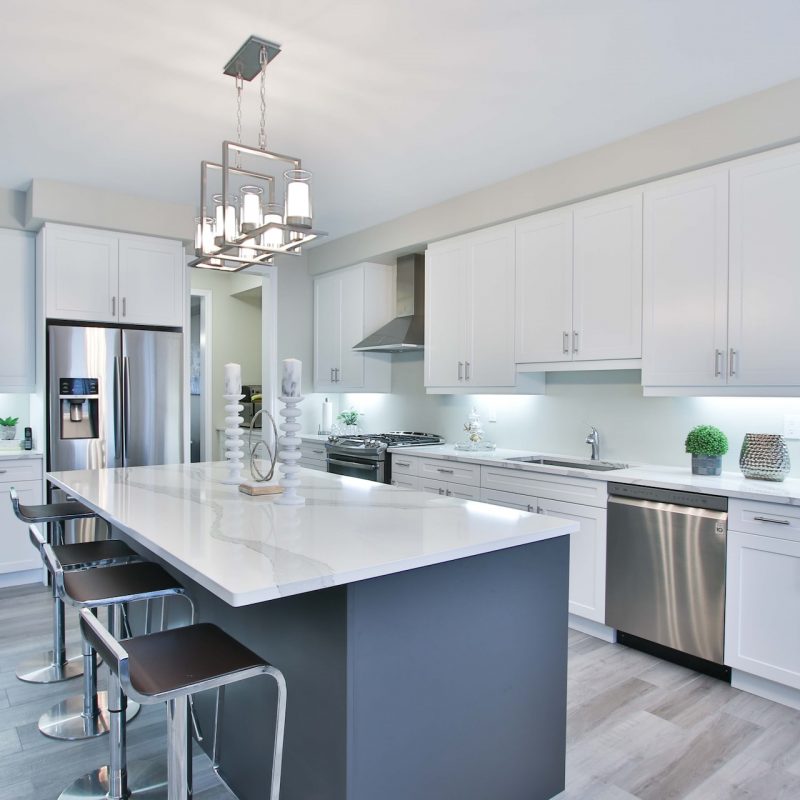
Prioritise surfaces that handle heat, oils and daily cleaning. Granite and dense natural stones are popular for countertops. For backsplashes, mosaics add visual interest without overwhelming the space and work especially well behind sinks and cooking zones.

Bathroom & wet areas
Bathrooms benefit from textured grip wherever water is present on the floor. Pebble stones and mosaics are widely used for shower floors and spa-style wet areas. For walls, marble patterns and feature niches with contrasting stone create a premium hotel vibe at home.
Living room & feature wall
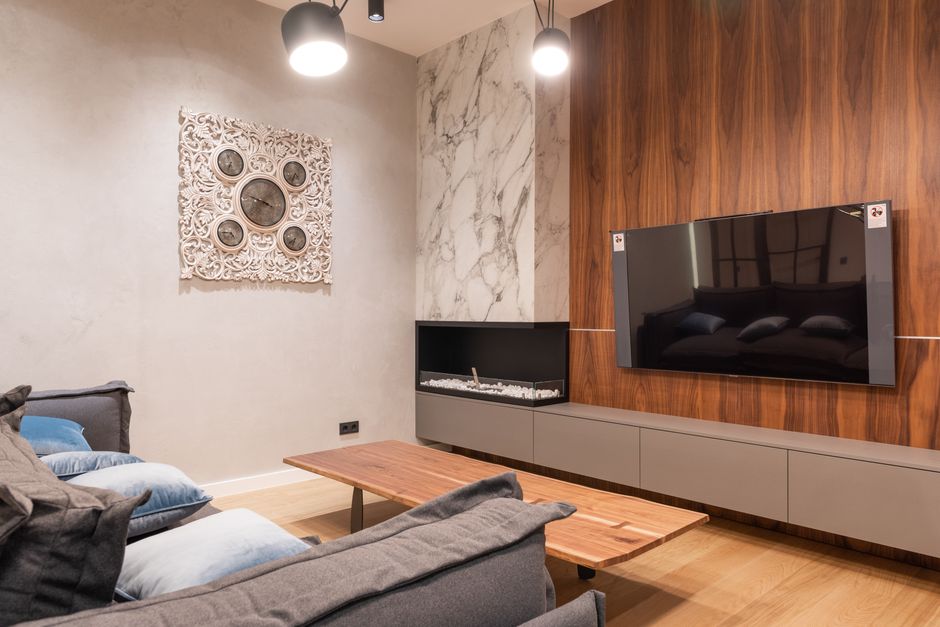
Wall panels and stone cladding turn a plain surface into a signature backdrop for TV units, fireplace surrounds or entry foyers. Key detail: grazing light across a textured wall highlights depth and makes stone look genuinely expensive. Even a single feature wall transforms an entire room.

Outdoor & landscape
For patios, pool surrounds and walkways, consider textured finishes and materials rated for outdoor exposure. Stone in landscape design pairs beautifully with plants, water features and warm lighting to create a genuine resort-at-home feeling. Always specify materials rated for your local climate.
Ready to start? Browse categories or search in the shop.
Category deep dives
What each category is, where it performs best, what to watch out for, and questions to ask before ordering. Save this section for project reference.
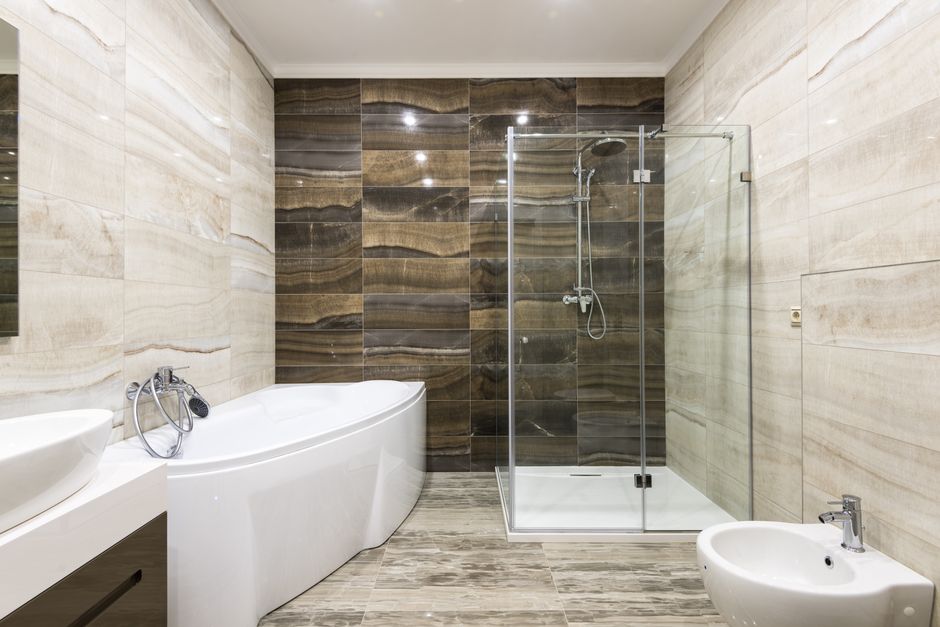
Marble: luxury floors, walls & signature spaces
Marble is defined by its natural veining and premium aesthetic. It is the material of choice for high-end residences, hotels and statement commercial interiors. Available polished for drama and reflectivity, or honed for a softer contemporary feel. Always compare physical samples under your actual lighting before specifying.
Best use cases: living room floors, lobby statements, wall
cladding, staircases, vanity walls, fireplace surrounds.
Tip: align veins across tiles for a continuous, bookmatched look.
Granite: high-performance surfaces for daily life
Granite is selected when durability is the priority: kitchen countertops, high-traffic floors and outdoor applications where stone must endure real-world conditions year after year. It generally resists scratching, heat and staining better than softer stones, making it the pragmatic choice for working kitchens and family bathrooms.
Best use cases: kitchen counters, outdoor steps, heavy-traffic
flooring, utility and service zones.
Tip: confirm edge profiles and cut-outs early so fabrication stays consistent.
Mosaic tiles: patterns, niches, curves & premium detail
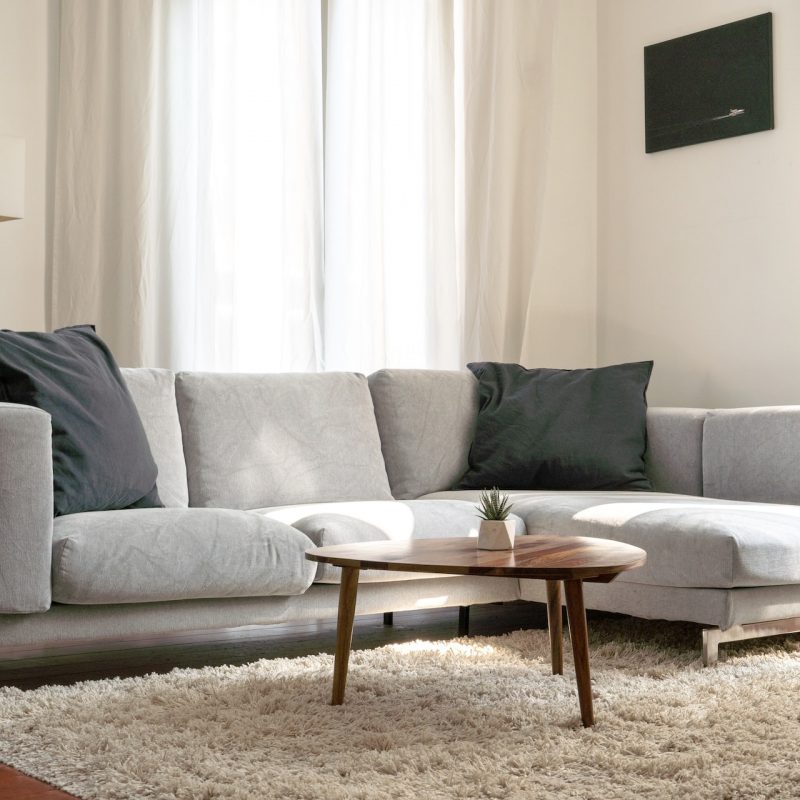
Mosaics are purpose-built for detail work: backsplashes, bathroom feature walls, shower niches and artistic pattern installations. Because they carry more grout lines per square metre, they can improve grip in wet areas when installed correctly. They are also the best choice for curved surfaces and tight corners where large tiles cannot flex.
Best use cases: bathroom walls, shower floors (correct slope
required), kitchen backsplashes, accent bands, hotel-style niches, pool edges.
Tip: choose grout colour intentionally—it can either emphasise the pattern or unify it.
Pebbles & river stone: spa-style texture and natural warmth
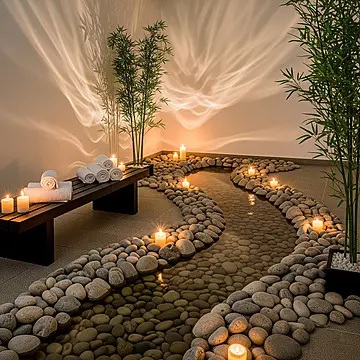
Pebble stones create a tactile, organic surface that looks authentically premium in spa-inspired bathrooms. Commonly used on shower floors, outdoor walkways and decorative landscape zones, they provide natural grip and a connection to nature that no manufactured product can fully replicate. Correct installation ensures good drainage, hygienic maintenance and comfortable underfoot feel.
Best use cases: shower floors, wet-area accent zones,
outdoor paths, garden water features, decorative landscape.
Tip: plan slope-to-drain before choosing pebble size—larger pebbles need steeper slopes.
Wall panels: fast visual impact for feature surfaces
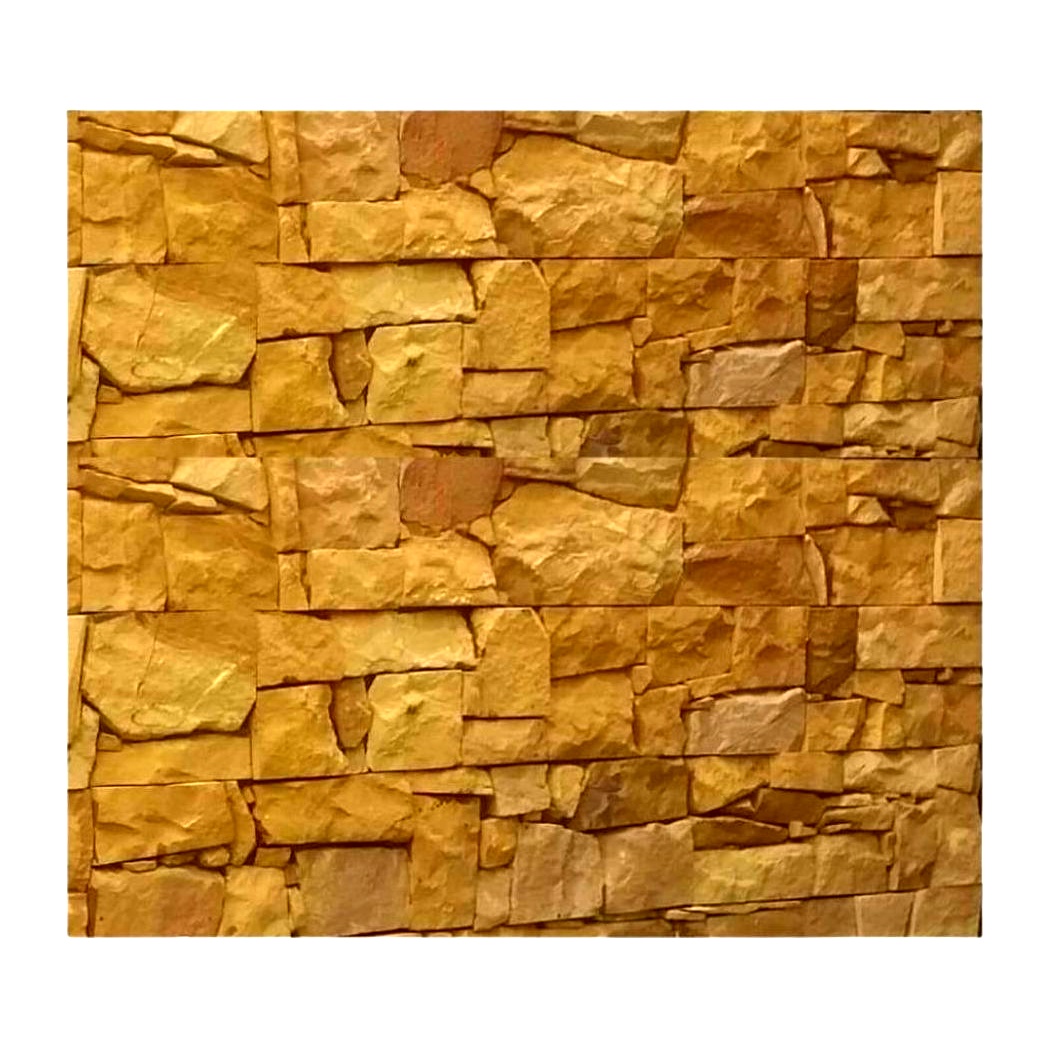
Wall panels deliver bold stone texture with a faster, more controlled installation than full cladding systems. They are popular for TV walls, reception backdrops, retail elevations and any statement surface where visual impact is the goal. Lighting dramatically affects how panels read: wall washers and grazing light emphasise depth, texture and jointing.
Best use cases: TV feature walls, reception backdrops,
storefront elevations, fireplace surrounds, commercial accent zones.
Tip: always mock up a small section on-site to validate shadow lines, joint widths and overall tone.
Browse by category: all categories · shop search.
Buyer checklist (quote-ready)
Gathering these details before contacting us results in faster, more accurate quotes and fewer surprises on site. Useful for home renovations and commercial project specifications alike.
Measurements & quantities
- Room dimensions (length × width), including cut-outs for islands, fixtures and niches.
- Preferred tile, slab or panel size and thickness (if known).
- Buffer allowance for cuts and waste (typically 5–10%, higher for complex patterns).
- Any future matching requirements—note if extra stock is needed for staged projects.
Application details
- Indoor or outdoor? Wet area (bathroom, shower) or dry area?
- Traffic level: residential light, residential heavy, or commercial.
- Finish preference: polished, honed, textured, or unsure (samples can be arranged).
- Slip-resistance requirements and any relevant safety standards for the application.
Site & delivery details
- Project city and any site access constraints (lift dimensions, stair access, delivery hours).
- Target installation date and preferred delivery window.
- Shade matching or vein-matching requirements across multiple rooms or areas.
Natural stone vs alternatives
Many projects compare natural stone against engineered surfaces, porcelain slabs and decorative laminates. The right answer depends on your priorities: authenticity, durability, maintenance, budget or installation speed.
| Criteria | Natural Stone | Porcelain Tiles | Engineered Surfaces |
|---|---|---|---|
| Authenticity & depth | Unique veining and depth in every single piece | Consistent digital-print pattern; improving quality over time | Very consistent colour; limited natural variation |
| Durability | High to very high (stone-dependent) | Very high, inherently low porosity | High, engineered for uniform performance |
| Maintenance | Regular cleaning; sealing for porous stones | Very low maintenance, easy to clean | Low maintenance; avoid abrasives |
| Premium feel | Unmatched depth, luxury and brand identity | Good; premium ranges look increasingly realistic | Good for controlled, consistent colour stories |
| Best for | Signature spaces, hotels, luxury homes | High-traffic, low-maintenance commercial spaces | Consistent commercial fit-outs and countertops |
Wall panels vs full stone cladding
Wall panels are selected for speed of installation and a controlled visual outcome. Full cladding can be more bespoke and delivers a more continuous, site-specific result. The choice depends on timeline, budget and whether customisation or installation speed is the priority.
Glossary of stone terms
Understanding these terms helps you compare quotes correctly, specify accurately and avoid miscommunication with contractors and suppliers.
- Finish
- The surface texture treatment: polished (glossy and reflective), honed (matte and smooth), or textured/sandblasted (roughened for grip). Each behaves differently in use and maintenance.
- Sealer
- A protective impregnator applied to reduce liquid absorption. Does not make stone maintenance-free, but significantly helps resist staining on porous materials.
- Porosity
- A measure of how readily a stone absorbs liquids. Higher porosity increases staining risk; correct sealing and regular cleaning compensate in most applications.
- Slip resistance (R-rating)
- A classification of surface grip, especially when wet. Critical for bathrooms, pool surrounds, wet-area floors and outdoor walkways.
- Vein matching (bookmatch)
- A premium installation technique where adjacent tiles or slabs mirror each other's veining, creating a butterfly or continuous pattern across the surface.
- Substrate
- The structural surface beneath the stone: concrete screed, cement board or solid existing floor. Must be level, dry and fully cured before tiling begins.
- Movement joint
- A deliberately planned gap within a tiled area that accommodates structural movement and thermal expansion to prevent cracking of tiles or grout over time.
- Honed
- A matte surface finish achieved by sanding stone to a smooth, non-reflective result. Increasingly popular in contemporary interiors as an alternative to polished finishes.
Frequently asked questions
Quick answers to the most common questions from architects, interior designers, builders and homeowners researching natural stone.
Start with the application (floor, wall, countertop, outdoor), then match performance requirements: porosity, slip resistance, stain resistance. Next choose finish (polished, honed, textured) and confirm size, thickness and installation method. When in doubt, order physical samples and test them under your actual lighting before committing.
Use pH-neutral cleaners, wipe spills immediately and seal where appropriate. Avoid acidic or bleach-based cleaners on marble—they permanently etch the surface. Use entrance mats to trap grit (the main cause of micro-scratching on polished finishes) and place trivets under hot items on stone countertops.
Yes. Mosaics and pebbles are among our most popular products for bathrooms, shower floors and feature niches. Always use a waterproofing system and adhesives rated for permanent wet areas, and choose finishes that provide adequate grip. Contact us for specific product recommendations for your project type.
Yes—send your room dimensions, photos and application details via our contact page. We will recommend suitable categories and products and help you calculate quantities correctly, avoiding the two most common mistakes: under-ordering and selecting the wrong finish for the intended application.
Order quantities and delivery options vary by product and volume. Visit the shop for individual product details, or contact us directly for bulk, commercial or time-sensitive project enquiries. We can discuss palletised delivery, site access requirements and phased delivery schedules for large projects.